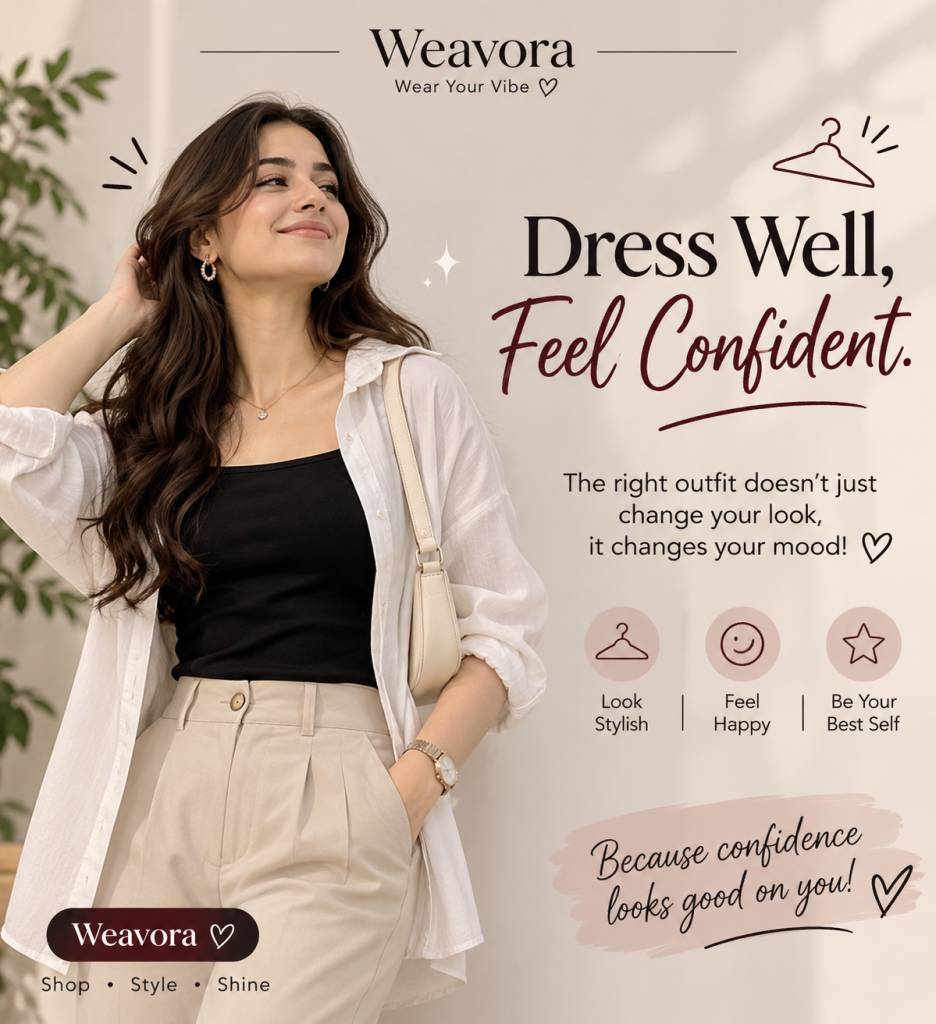
Clothes are more than fabric stitched together; they are a daily form of self-expression, a mood-setter, and sometimes the quiet boost you need before walking into a room. When you dress well, you do not have to chase perfection or follow every trend. You simply choose pieces that fit your body, reflect your personality, and make you feel prepared for the day ahead.
Confidence often begins before anyone else notices your outfit. It starts when you look in the mirror and feel comfortable in what you are wearing. A well-chosen outfit can help you carry yourself with greater ease, speak more freely, and focus on the moment rather than worrying about how you look. Research on “enclothed cognition” suggests that clothing can influence the wearer’s thoughts and feelings because clothes carry symbolic meaning and affect the physical experience of wearing them. In other words, what you wear can shape not only how others see you, but also how you see yourself.
The Real Meaning of Dressing Well
Dressing well does not mean wearing expensive clothes, copying celebrities, or owning a wardrobe full of designer labels. It means understanding what works for you and using clothing to express your best self.
A well-dressed person is not necessarily the person wearing the most fashionable outfit. It may be someone in a simple kurta, jeans, a crisp shirt, a comfortable dress, or a classic pair of trousers—chosen with intention. The right colour, clean silhouette, good fit, and personal touch can make even basic pieces look polished.
When your clothes fit properly, feel comfortable, and match the occasion, you naturally feel more at ease. This ease translates into confidence. You are less distracted by a tight waistband, an uncomfortable fabric, or an outfit that feels unlike you. Instead, you can direct your attention toward the conversation, presentation, interview, class, or event in front of you.
How Clothing Builds Confidence
Clothing affects confidence in two important ways: internally and externally. Internally, it changes how you feel about yourself. Externally, it influences the impression you create and the feedback you receive from others. A recent study of university students found that clothing can shape self-confidence through both self-expression and social identity.
1. Clothes Reflect Your Identity
Your outfit is a visual introduction before you say a word. It can communicate creativity, professionalism, warmth, boldness, simplicity, or elegance. When your clothing aligns with who you are, you feel more authentic.
For example, if you love minimal fashion, a clean white shirt with well-fitted jeans may make you feel like yourself. If you enjoy colour and prints, a bright dupatta, patterned dress, or statement accessory may give you energy. The goal is not to look like someone else; it is to look like the most confident version of yourself.
2. Good Fit Changes Everything
Fit is one of the most underrated elements of style. An expensive outfit that does not fit well can look less appealing than an affordable outfit tailored to your body. Clothes that are too loose may hide your shape, while clothes that are too tight can make you feel restricted.
A good fit does not mean changing your body to suit clothing. It means choosing clothing that respects your body. When sleeves fall correctly, trousers sit comfortably, and necklines suit your frame, you feel supported rather than self-conscious.
3. Comfort Creates Confidence
Confidence is difficult when you are constantly adjusting your outfit. Uncomfortable shoes, scratchy fabric, or a dress that needs fixing every few minutes can take away from your presence.
Comfortable clothing allows you to move freely and focus on what matters. This is why breathable fabrics, supportive footwear, and practical silhouettes are just as important as aesthetics. Style should never feel like a punishment. The best outfits are those that make you feel good while looking good.
4. Dressing With Intention Sets the Tone
Getting dressed with intention can turn an ordinary day into a more purposeful one. Wearing an outfit that matches the occasion—whether it is a college presentation, a family function, a job interview, or a casual outing—can help you mentally prepare.
A study on formal attire found that participants wearing formal clothing reported higher self-confidence and were more engaged in shopping-related behaviours than those in casual clothing. While formal wear is not necessary for every situation, the principle remains useful: dressing appropriately for the moment can help you feel ready for it.
Style Is Personal, Not Perfect
Social media can make fashion feel competitive. We see edited photos, luxury outfits, and perfectly styled looks every day. It is easy to believe that confidence comes from having the “right” clothes. But true style is not about having more; it is about knowing yourself better.
Your personal style may evolve with time, and that is completely normal. The outfit that made you feel confident at eighteen may not be the one that makes you feel confident at twenty-five. Your preferences, lifestyle, body, and goals change—and your wardrobe can change with you.
Instead of asking, “Is this trendy?” ask, “Do I feel like myself in this?” That question is far more powerful. Trends come and go, but confidence grows when your clothing choices feel honest.
Simple Ways to Dress Well Every Day
You do not need a complete wardrobe makeover to feel more confident. Small, thoughtful changes can make a big difference.
- Know your best colours: Notice which colours make your skin look brighter and which ones make you feel energised. You do not need to follow strict colour rules; simply choose shades that make you feel good.
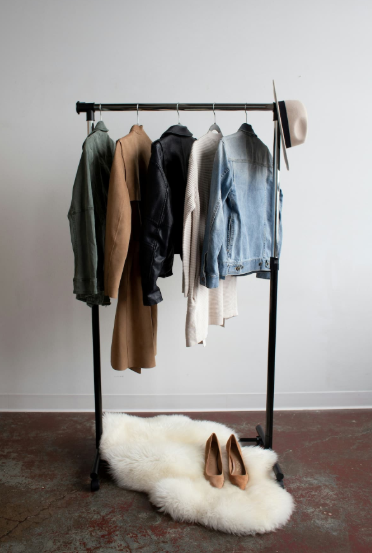
- Invest in basics: A well-fitted white shirt, dark jeans, a classic kurta, neutral footwear, and a versatile jacket can create countless outfits.
- Prioritise fit: If something almost fits but not quite, tailoring can be a worthwhile investment. A small alteration can transform the entire look.
- Choose quality over quantity: A few durable, comfortable pieces are often better than a cupboard full of clothes you rarely wear.
- Add one statement piece: A colourful scarf, bold earrings, a structured bag, or a distinctive pair of shoes can elevate a simple outfit.
- Dress for the occasion: Consider where you are going and what will make you feel both comfortable and appropriate.
- Keep your clothes well maintained: Clean, pressed, and well-kept clothing instantly looks more intentional.
- Wear what makes you happy: If a piece makes you smile when you see it in the mirror, it deserves a place in your wardrobe.
Confidence Is Not About Approval
It is important to remember that dressing well is not about seeking everyone’s approval. People will always have opinions, and fashion is subjective. Someone may love bold prints while another prefers neutral tones. Neither choice is wrong.
The purpose of dressing well is not to become someone else’s idea of stylish. It is to feel grounded in your own choices. When you wear something that reflects your personality, you stop dressing for validation and start dressing for self-respect.
Of course, clothing cannot solve every insecurity or replace inner confidence. But it can be a supportive tool. Just as a good routine, positive self-talk, and preparation can improve your mindset, an outfit that makes you feel capable can give you a small but meaningful boost.
Dress Well for Yourself
There is a difference between dressing to impress and dressing to feel empowered. Dressing to impress often means worrying about what others will think. Dressing to feel empowered means choosing clothes that make you feel strong, comfortable, beautiful, professional, creative, or simply at peace.
You deserve to feel good in your own skin—and in your own clothes. Whether your style is minimal, traditional, bold, feminine, androgynous, sporty, or a mix of everything, your wardrobe should be a space where you feel represented.
At its best, fashion is not about hiding who you are. It is about highlighting who you are.
Conclusion
Dressing well is a form of self-care. It is a way of telling yourself, “I matter. My comfort matters. My presence matters.” You do not need a perfect wardrobe or an unlimited budget to experience this. You only need a little intention, self-awareness, and willingness to choose clothes that make you feel like yourself.
When you dress well, you do not just change your appearance—you change your energy. You stand a little taller, smile a little more easily, and enter rooms with greater confidence. Fashion may begin with clothes, but confidence begins with how those clothes make you feel.
So tomorrow morning, before you rush out, take an extra minute to choose an outfit that supports the version of you that you want to be. Dress well not for the world, but for yourself. Because when you feel good in what you wear, confidence follows naturally.